

North Texas GME Research Forum 2026
Files
Download Full Text (699 KB)
Division
North Texas
Hospital
Medical City Plano
Specialty
Transitional Year
Document Type
Poster
Publication Date
2026
Keywords
squamous cell carcinoma, esophageal cancer, CT, computerized tomography, positron emission tomography, PET, barium swallow study
Disciplines
Diagnosis | Digestive System Diseases | Internal Medicine | Medicine and Health Sciences | Neoplasms
Abstract
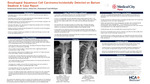
Background: Esophageal cancer is an aggressive malignancy with a poor prognosis, and has high rates of recurrence despite curative-intent therapy. While endoscopy with biopsy remains the gold standard for diagnosis, non-diagnostic imaging studies are performed when evaluating for dysphagia, and may bring to light underlying pathology, warranting further workup. Surgical resection following neoadjuvant chemoradiation is often performed, but postoperative complications and disease recurrence are important concerns. This case highlights the crucial role of early detection via imaging and the clinical burden associated with esophageal squamous cell carcinoma.
Case Presentation: A 76-year-old female presented with dysphagia and underwent a barium esophagogram, which revealed an abnormality that led to further evaluation. Subsequent diagnostic workup led to the diagnosis of esophageal squamous cell carcinoma. She was treated with neoadjuvant chemoradiation followed by McKeown esophagectomy with cervical anastomosis. The postoperative course was complicated by a small, contained anastomotic leak distal to the anastomotic site, which was successfully managed with endoscopic vacuum therapy and conservative measures. The patient later developed recurrent squamous cell carcinoma in situ and required additional treatment, but unfortunately passed away shortly after.
Conclusion: This case underscores the importance of thoroughly evaluating patients presenting with relatively benign-appearing symptoms that may be indicative of underlying disease, and demonstrates how non-diagnostic imaging can aid in the diagnosis of malignancy. It also highlights the clinical impact of the type of esophagectomy performed, as cervical anastomosis has been associated with higher rates of anastomotic leak as compared to intrathoracic anastomosis. Furthermore, this case illustrates that the recurrence of squamous cell carcinoma may occur despite neoadjuvant chemoradiation and curative-intent surgery, emphasizing the limitations of current treatment options and the need for individualized decision-making that weighs both long-term health outcomes and quality of life.
Lessons Learned: This case reinforces the diagnostic value of early imaging in the evaluation of dysphagia and highlights the impact of postoperative complications on patient outcomes. This case also emphasizes the risk of recurrence in esophageal cancer despite a comprehensive treatment plan. Further research should investigate strategies to reduce adverse postoperative outcomes and improve long-term quality of life.
Original Publisher
HCA Healthcare Graduate Medical Education
Recommended Citation
Akram, Muhammad Rubeel; Rao, Aditya; and Siddique, Muhammad T., "Esophageal Squamous Cell Carcinoma Incidentally Detected on Barium Swallow: A Case Report" (2026). North Texas GME Research Forum 2026. 53.
https://scholarlycommons.hcahealthcare.com/northtexas2026/53
Included in
Diagnosis Commons, Digestive System Diseases Commons, Internal Medicine Commons, Neoplasms Commons